Good news for those of you that have kept that big ol' stack of burned DVD and CD backups, taking up space in your attic: They may well be making a comeback. A team of researchers also appear to have also had a hard time letting the concept of spinning disc storage go, as they've developed an optical disc with a massive capacity of well over a petabit of data.
A team of scientists and researchers at the University of Shanghai for Science and Technology have managed to exponentially increase the capacity of an optical disc by making use of a 3D planar recording architecture (via ). Essentially, the process involves stacking hundreds of data-recording layers a mere one micrometer apart, all while keeping the overall thickness of the disc the same as a traditional DVD or Blu-ray.
This much denser physical storage format makes use of 100 layers, which is said to result in a maximum data capacity of 1.6 petabits, or roughly 200 terabytes of storage. That's a gigantic leap over even the most advanced quad-layer Blu-ray disks, that currently top out at around 128 GB of data.
Another associated benefit would be the minimisation of data migration. The , with an expected lifespan of 50 to 100 years. That's a huge leap over current data centre HDD based storage systems, which generally move data over to new devices every five to 10 years to avoid data-loss from ageing drives.
And while enterprise usage appears to be the priority, the researchers also say that home databases are a potential future use-case. If you've got a stack of external hard drives backing up your precious holiday photos, videos and documents, the u31 เครดิตฟรี 31 บาท team envisions a future where a home database might make use of the technology, storing a whole family's worth of aggregated data on a single, familiar looking disc.
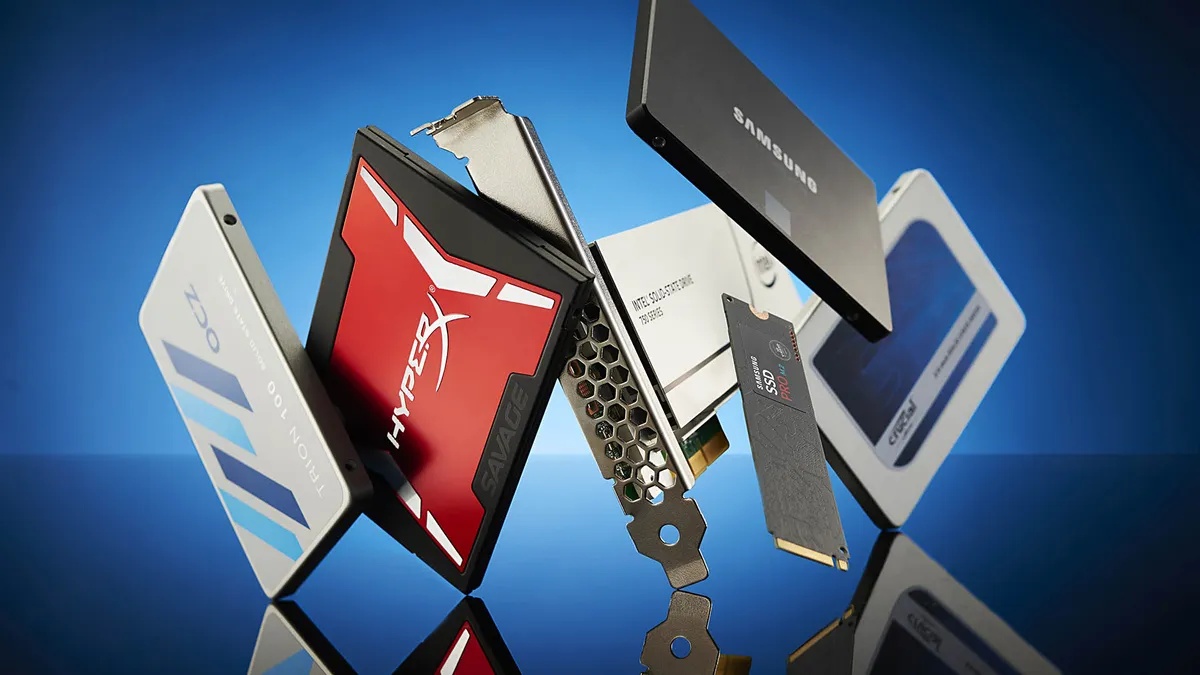
: The best speedy storage today.
: Compact M.2 drives.
: Huge capacities winner55 for less.
: Plug-in storage upgrades.
The downside? Well, as things currently stand the researchers have yet to develop a fast and affordable drive to read the discs, although the new media could be made to be compatible with current optical disc technology in the future. So I wouldn't go digging out that old DVD or Blu-ray drive just yet, unless you enjoy a heavy dose of pleasing technological nostalgia.
A simpler time, wasn't it? The comforting whirr of an optical drive, the press of a button revealing a hidden tray. Oh the things we've lost. Although if this ww winner55 research continues to develop, perhaps we're not far away from spinning discs making a return into our daily lives once more.